

Back pain is one of the most common occurrences amongst Singaporeans, with an estimated 80% of adults in Singapore suffering an episode of lower back pain in their life. Learn more about how back pain arises as well as its key symptoms, and how physical therapy in Singapore can help properly treat it.
What is back pain?
To understand back pain, it helps to learn more about the spine. It consists of over 20 separate vertebrae stacked on top of one another, with a flexible disc sitting in between each pair of vertebrae and held together by ligaments. There are two kinds of back pain, acute and chronic back pain.
Acute back pain develops suddenly as a result of a strain or sprain of the soft tissues in your back, such as your muscles, tendons, and ligaments. One of the most common ways this occurs is buy overload or due to not being conditioned for a particular activity. physical therapy in Singapore would be your first port of call to assess and guide you to recovery.
Chronic back pain is attributed to long-term problems, this condition is very complex and is not just a structural problem but usually related to stress, nutrition, deconditioning and sleep deficit.
How does physical therapy treat back pain?
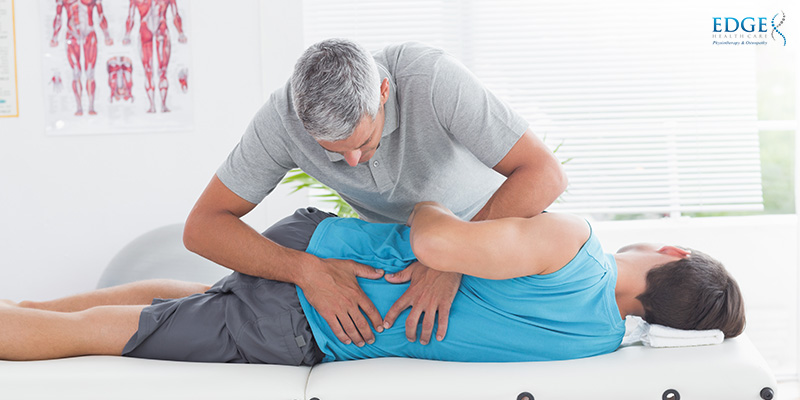
Physical therapy in Singapore is key to treating and preventing back pain. Physical therapists are skilled in utilising a variety of means to effectively treat both acute and chronic back pain, such as spinal manipulation to relieve pressure on joints, reduce inflammation, and improve nerve function. They also utilise soft tissue mobilisation to improve flexibility and range of motion, as well as deep tissue massages to alleviate pain, relax muscles, and improve circulation.
In addition to a complete session of back pain physiotherapy in Singapore, your physiotherapist will also guide you through specific strengthening exercises to relieve stress and strengthen your back. They will also provide recommendations to improve your condition and avoid aggravating your injury, be it ergonomic improvements of your workstation for greater comfort or providing tips on how to walk with a proper gait and posture.
When first visiting a physiotherapy clinic near you, your physiotherapist will holistically assess your situation, ranging from the symptoms you present to your family history and general health condition. They will also conduct assessments of your range of motion and general mobility, allowing them to create an individualised treatment regime for optimal treatment success.
Our skilled physical therapists will work together with you to set initial expectations, provide an estimated timeframe for recovery, as well as review your progress over multiple treatment sessions. In some cases, physical therapists may liaise with other specialists in Singapore, such as dietitians, occupational therapists, and psychotherapists, allowing them to craft a comprehensive treatment plan for each patient.
Looking for a physiotherapy clinic near you? Edge Healthcare has multiple clinics located across Singapore, such as Telok Ayer, Robinson, and Orchard. Contact us to find out more about how we conduct our back pain physiotherapy in Singapore.
Lower Back Pain
Lower back pain is a common problem, and many people in Singapore experience it at some point. It can result from prolonged sitting, heavy lifting, or poor posture. Some feel a sharp, sudden pain, while others experience a persistent, dull ache. Back pain can interfere with daily activities, but help is available. Back pain physiotherapy in Singapore can relieve discomfort and restore mobility, allowing you to move more freely and get back to your routine.
What are the Common Symptoms and Signs of Lower Back Pain?
Not all back pain feels the same. It can be mild or strong. It may start suddenly or slowly. Here are some signs to look for:
- Pain when bending or standing
- Trouble moving or turning
- Pain that spreads to your legs
- Stiffness in the morning or after sitting
- Muscle tightness or spasms
If these signs last more than a few days, it is best to see a physiotherapist. Early care can stop the pain from getting worse.
Is Back Pain Therapy Safe?
Yes, physiotherapy is safe. Skilled physiotherapists are trained to provide care without causing harm. They assess your condition and create a treatment plan tailored to your needs, using hands-on techniques, movement, and stretching to reduce pain and support healing. Some soreness after a session is normal, as it indicates your body is adjusting, and your therapist will guide you through every step. Choosing back pain physiotherapy in Singapore means receiving care from trusted experts focused on helping you feel better not causing more pain.
Tips to Manage and Prevent Back Pain between Physiotherapy Sessions
You don’t need to wait for your next session to take care of your back. There are simple steps you can take at home or work:
Move Often
Avoid staying in one spot for too long. Take short walks or stretch every hour. If sitting at work, stand and sit back down every 20-30mins just to change position.
Sit Well
Keep your back supported by sitting bottom back in the chair and using the back of the chair to support the lower back and feet flat when sitting. Ensure the chair height is the is appropriate from the table you are using.
Lift with Care
Bend your knees and hold items close to your body when lifting. Avoid twisting your back.
Sleep Smart
Sleep on a mattress that is supportive to you, everyone is different but a firmer mattress is better than soft and unsupportive.. Try lying on your side with a pillow between your knees in the acute phase of lower back pain.
Do your Home Exercises
Your therapist may give you simple stretches or movements. These help you get better faster.
These steps support your recovery. They also help you get the most out of your Back Pain Physiotherapy plan.
Finding the Right Physiotherapy Clinic in Singapore
Not all clinics are the same. It is important to find one that meets your needs. Here are a few things to look for:
Skilled Team
Choose a clinic with trained and experienced physiotherapists. They should understand different types of back pain.
Personal Care
Each person is different. A good clinic will look at your health, lifestyle, and goals.
Good Location
Pick a clinic that is close to your home or work. This makes it easier to keep your appointments.
Clear Plan
Ask if the clinic offers a full treatment plan. You should know what to expect and how long it may take.
At Edge Healthcare, our clinics across Singapore follow these steps. We offer trusted Back Pain Physiotherapy services that put your needs first.
Final Thoughts – Is Physiotherapy Right for Your Back Pain?
Physiotherapy is a smart and safe way to treat back pain. It works with your body to fix the cause, not just the symptoms. You don’t need to rely on pills or wait until the pain gets worse.
If your pain is new or has lasted for a while, physiotherapy can help. With the right care, you can move better, feel stronger, and get back to your normal life.
Back Pain Physiotherapy in Singapore gives you the tools to take control of your health. It is not just treatment. It is a step towards a pain-free life.
Frequently Asked Questions (FAQ): Physiotherapy in Singapore
No, you don’t. In Singapore, physiotherapists are first-contact practitioners, which means you can book a session directly without a referral. However, some insurance providers or MediSave claims may require a doctor’s referral for reimbursement purposes. It’s best to confirm this with your insurer or clinic before your first visit.
The number of sessions depends on your injury severity, underlying causes, and personal goals.
- Acute back pain: Some patients experience significant relief within 6–8 sessions.
- Chronic or recurrent pain: May require a longer treatment plan over several weeks to improve mobility, strength, and posture.
- Your physiotherapist will perform a comprehensive assessment and create a personalised treatment plan during your first visit.
Yes, many private insurance plans include coverage for physiotherapy, though policies differ.
MediSave can be used only when physiotherapy is prescribed by a registered medical doctor as part of an outpatient treatment plan at an approved medical institution. Always check with your provider or the clinic’s administrative team to confirm eligibility and claim limits.
Wear light, loose-fitting, and comfortable clothing that allows easy movement. For example:
- T-shirts, shorts, or sports attire are ideal.
- Avoid tight jeans or skirts, as your session may include stretching, movement assessments, or supervised exercises.Your
- physiotherapist may also need to access the affected area to assess muscle tone and joint movement.
Physiotherapy can significantly reduce pain and improve long-term function, but complete recovery depends on the cause of your pain and your consistency with rehabilitation exercises.
Research shows that combining manual therapy, strengthening, and posture retraining with education and lifestyle modification offers the best long-term outcomes for chronic back pain.
Physiotherapy should not be painful, though mild discomfort can occur as your body adapts to movement or manual treatment. This usually settles quickly. Your physiotherapist will always work within your comfort level and adjust techniques as needed to ensure safe, effective care.
Many patients report some improvement within the first few sessions, especially when following home exercise advice and posture correction. However, lasting results typically come from consistent treatment, exercise adherence, and gradual strengthening of supporting muscles. Your physiotherapist will guide you on what to expect based on your individual condition and goals.
Some people feel better after one or two sessions. Others need more time. The key is to follow the plan and stay active between sessions.